

North Cyprus’s Untamed Jewel
Nestled on the remote and rugged Karpas Peninsula, Northern Cyprus Golden Beach (Turkish: Altın Kumsal) stands as a testament to North Cyprus’s wild, unspoiled beauty. Far from the bustling resorts of Kyrenia and Famagusta, this secluded stretch of coastline offers a sanctuary of tranquility, pristine nature, and vital ecological significance. It is a destination not for the luxury-seeker, but for the true nature lover, the adventurer, and the soul in search of peace.
A Landscape Forged by Nature
Golden Beach is a wide, sweeping expanse of fine, golden sand that stretches for approximately four kilometers along the Mediterranean coastline. Its name is a perfect descriptor, as the sunlight catches the sand, giving it a shimmering, burnished hue. Backed by rolling dunes that can extend up to 500 meters inland, the beach is a dynamic landscape sculpted by wind and sea. The clear, azure waters of the Mediterranean are typically calm and shallow near the shore, making it an inviting and safe place for swimming.
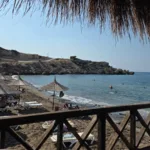
What truly sets Golden Beach apart from other coastal destinations is its minimal development. Following a conscious and court-enforced conservation effort, all permanent structures, including bungalows and restaurants, have been removed from the beach itself. This decision, applauded by environmentalists, ensures the beach remains a wild and untouched paradise. Visitors will find a largely empty shoreline, free from the clutter of sunbeds and umbrellas, with only one or two basic restaurants perched on a hill overlooking the magnificent vista. This absence of commercialism is a deliberate choice, preserving the area’s ecological integrity and allowing its natural beauty to shine.
A Sanctuary for Wildlife
Golden Beach is not just a scenic spot for human visitors; it is a critical habitat for some of the Mediterranean’s most cherished and endangered species. The beach is one of the most important nesting grounds for both the Loggerhead (Caretta caretta) and Green Sea Turtle (Chelonia mydas). Every year, from late May to July, female turtles end their thousand-mile journeys to come ashore and lay their eggs in the soft, warm sand. The hatchlings emerge in August and September, making their perilous, moonlit journey to the sea—a truly unforgettable spectacle for those lucky enough to witness it.
Conservation efforts are meticulously carried out by organizations like the Society for the Protection of Turtles (SPOT), with volunteers and marine biology students monitoring nests, marking and caging them to protect them from predators and accidental human interference. Visitors are encouraged to be respectful of this process, with strict rules against fires, loud noises, and artificial lights at night, which can disorient the hatchlings.
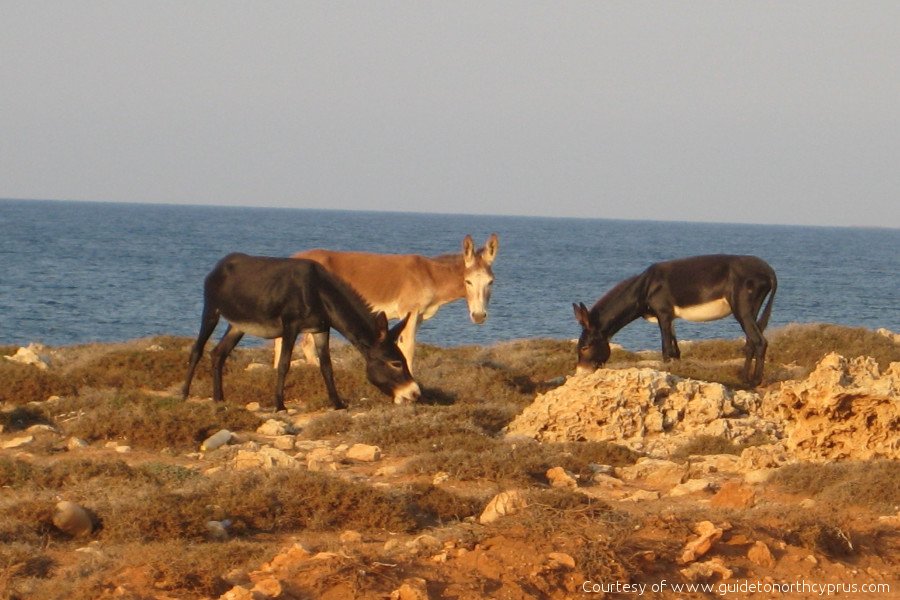
Beyond the turtles, the wider Karpas Peninsula is a haven for a variety of wildlife. The region is famously home to the wild donkeys of Cyprus, which are a protected symbol of the island. These friendly, curious creatures often greet travelers on the road to the beach, expecting a treat in return. The peninsula is also a vital migration corridor for thousands of birds, making it a birdwatcher’s paradise, while its diverse flora includes sea daffodils that carpet the dunes and a rich variety of native plant species.
The Journey and the Experience of North Cyprus Golden Beach
Getting to North Cyprus Golden Beach is part of the adventure. It is situated on the easternmost tip of the Karpas Peninsula, approximately 20 kilometers from the village of Dipkarpaz. The journey involves driving on a paved road that, while scenic, can be in poor condition with occasional potholes. The final stretch to the beach is unpaved. The remoteness means public transportation is virtually nonexistent, so a car is essential.
The experience at North Cyprus Golden Beach is one of immersion in nature. It’s a place to disconnect and embrace a sense of isolation. Visitors are advised to bring their own provisions, including water, food, and sun protection, as on-site amenities are limited. Activities are simple and revolve around the natural surroundings:
- Beachcombing and Sunbathing: The long, uninterrupted shoreline is perfect for a leisurely stroll or finding a quiet spot to lay out a towel.
- Swimming: The calm, clear waters are ideal for a refreshing dip.
- Nature Observation: Keep an eye out for turtle nests, the wild donkeys, and a variety of birdlife.
- Photography: The dramatic scenery, from the sand dunes to the turquoise sea and the backdrop of the hills, offers endless opportunities for stunning photos, especially at sunrise and sunset.
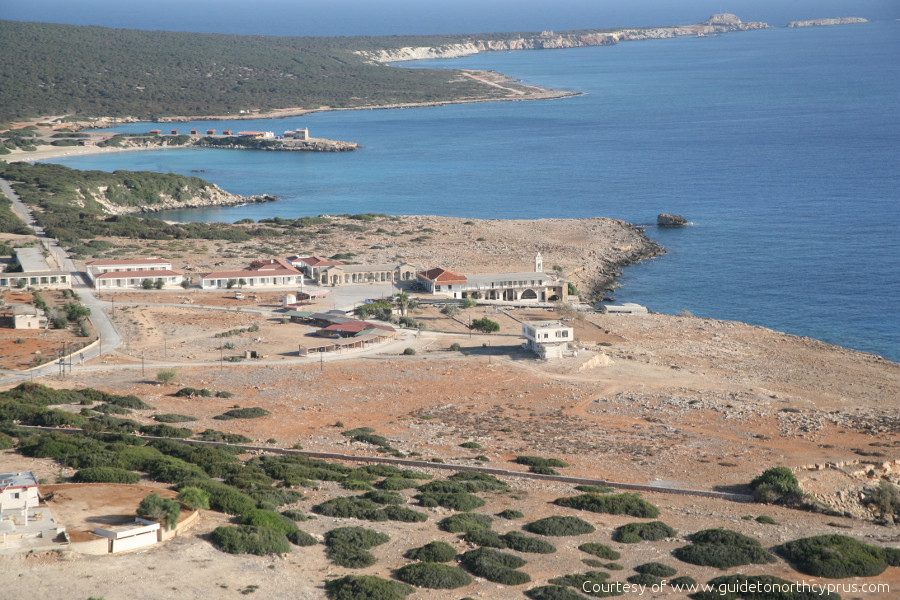
For those who wish to extend their visit, the surrounding Karpas Peninsula offers a wealth of other attractions. The historic Apostolos Andreas Monastery, a significant pilgrimage site, is just a short drive away. The ancient ruins of Karpasia and Aphendrika offer a glimpse into the region’s rich history, while the rugged landscapes provide excellent opportunities for hiking.
In a world of over-developed tourist destinations, Golden Beach stands as a rare and precious gem. It is a place where nature reigns supreme, offering an authentic and unforgettable experience that reconnects visitors with the raw, untamed beauty of Cyprus.