
As of April 2025, detailed city-level tourism statistics for Northern Cyprus in 2024–2025 are not publicly available. However, overall data for the Turkish Republic of Northern Cyprus (TRNC) indicates a significant increase in tourism during 2024.
Key Tourism Highlights for 2024
- Total Visitors: , marking an 18.6% increase compared to the same period in 2023.
- Primary Source Markets:
- Turkey: Remained the largest contributor, with a 22.3% rise in arrivals.
- United Kingdom: Despite being a significant market, the number of British tourists decreased by half since 2003, with only 8,316 visiting in the first five months of 2024.
- Germany: Approximately 30,000 German tourists visited in 2023, making them one of the top non-Turkish visitor groups.
- Russia: Nearly 50,000 Russian tourists visited in 2023, representing a significant increase over the previous year.
- Iran: Just under 41,000 Iranian tourists visited in 2023.
- Emerging Markets:
- Norway: Overnight stays increased by 502.4%.
- Belgium: Overnight stays increased by 443.8%.
- Declining Markets:
- United States: Arrivals decreased by 22.5%.
- Israel: Arrivals decreased by 18.3%.
- Hotel Occupancy: In the first two months of 2024, hotel occupancy rates increased to 31.3%, up from 24.5% in the same period of 2023.
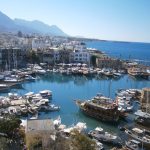
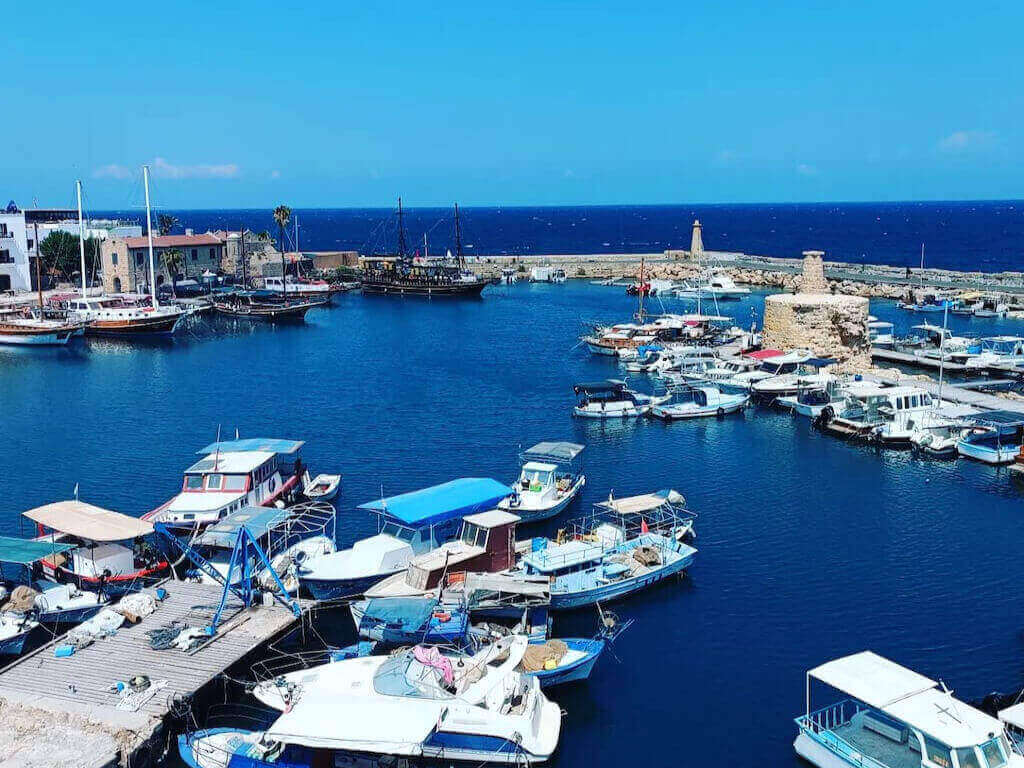
While specific data for individual cities such as Kyrenia, Famagusta, and Nicosia is not available, these cities are traditionally the main tourist destinations in Northern Cyprus. Kyrenia, known for its historic harbor and castle, is particularly popular among tourists.
For the most accurate and up-to-date information, it is recommended to consult the TRNC Ministry of Tourism or local tourism offices.
Key Attractions and Tourism Drivers
- Kyrenia (Girne) remains the crown jewel of tourism, with its postcard-perfect harbor, Kyrenia Castle, and numerous beach resorts drawing in the majority of leisure travelers. Many boutique hotels and casinos are concentrated here.
- Famagusta (Gazimağusa) appeals to history and culture lovers with its medieval city walls, Othello Castle, and the ghost town of Varosha, which partially reopened in recent years, stirring global interest and controversy alike.
- Nicosia (Lefkoşa), the world’s last divided capital, offers a unique geopolitical curiosity, especially with the Ledra Street crossing and contrasting Turkish-Cypriot and Greek-Cypriot quarters.
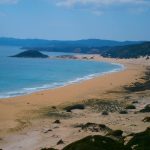
- Karpaz Peninsula is increasingly featured in eco-tourism itineraries thanks to its wild beaches, donkeys, and the historic Apostolos Andreas Monastery.
- Casino Tourism continues to play a significant role in drawing visitors from Turkey, Russia, and the Middle East, often with package deals.
Access and Travel
- Ercan Airport (ECN) saw increased traffic in 2024 due to improved connections via Turkey. However, direct international flights remain politically constrained due to the TRNC’s lack of recognition.
- Sea ports such as Kyrenia and Famagusta also cater to travelers via ferries from Mersin and Taşucu in Turkey, contributing to land-based tourism.
Tourism Trends & Niche Markets
- Medical & Wellness Tourism: Growing sector, especially for cosmetic procedures, dentistry, and IVF treatment, often bundled with 5-star hotel stays.
- University Tourism: Northern Cyprus has several international universities (e.g., Near East University, Eastern Mediterranean University), bringing in family visitors and academic delegations throughout the year.
- Halal Tourism: The TRNC has become an attractive destination for conservative Muslim travelers from Turkey, Iran, and the Gulf, offering alcohol-free hotels, halal food, and private beaches.
- Diaspora Tourism: Many Turkish Cypriots from the UK, Australia, and Canada return seasonally, boosting cultural tourism and family visits.
Accommodation Developments
- Rapid expansion in boutique hotels and eco-lodges, especially in Karpaz and inland villages.
- Luxury resorts are expanding along the east coast (e.g., Bafra), aiming to rival southern Cyprus in resort-style offerings.
- Despite occupancy gains, hotel infrastructure still lags behind the South in terms of international recognition and branding.
Opportunities and Challenges
Opportunities
- The rise of alternative tourism: cycling routes, agritourism, spiritual retreats.
- Digital nomad interest is increasing due to relatively low cost of living and favorable weather.
- Post-pandemic revenge travel and Türkiye’s own tourism push have bolstered TRNC visibility.
Challenges
- Lack of international recognition severely limits direct flights, international investment, and tourism cooperation.
- Political uncertainty and periodic tensions deter some Western tourists.
- Over-reliance on Turkey as a source market could be risky if geopolitical conditions shift.